
Crucibles are on my mind. A crucible, as you may know, is a container that can stand a lot of heat and is used in chemistry and metallurgy to combine elements into new forms. As a student of metaphor, I love applying the image to change. It points so aptly to the fact that humans need containers and heat to melt down and transform old habits and thinking so something new can emerge.
Those who know me can infer why crucibles might be on my mind. I’ve been in one, and am just finding out about the new me that is emerging. Might these circumstances qualify as being personal crucibles?
• My marriage of 46 years ended in the summer of 2013 when my dear Susan passed away in my arms, our kids holding her hands, me cradling her last breaths. Life as I knew it was forever changed.
• This October I moved to Petaluma and a new home with my new partner and colleague Gisela Wendling. This is after 34 years in the same flat in San Francisco and 47 years in the same zip code.
• The Grove is moving to shared leadership, allowing me to focus on creating a new Global Learning and Exchange Network (GLEN) with Gisela—in essence creating a Grove-supported and network-based R&D laboratory for evolving change methodology.
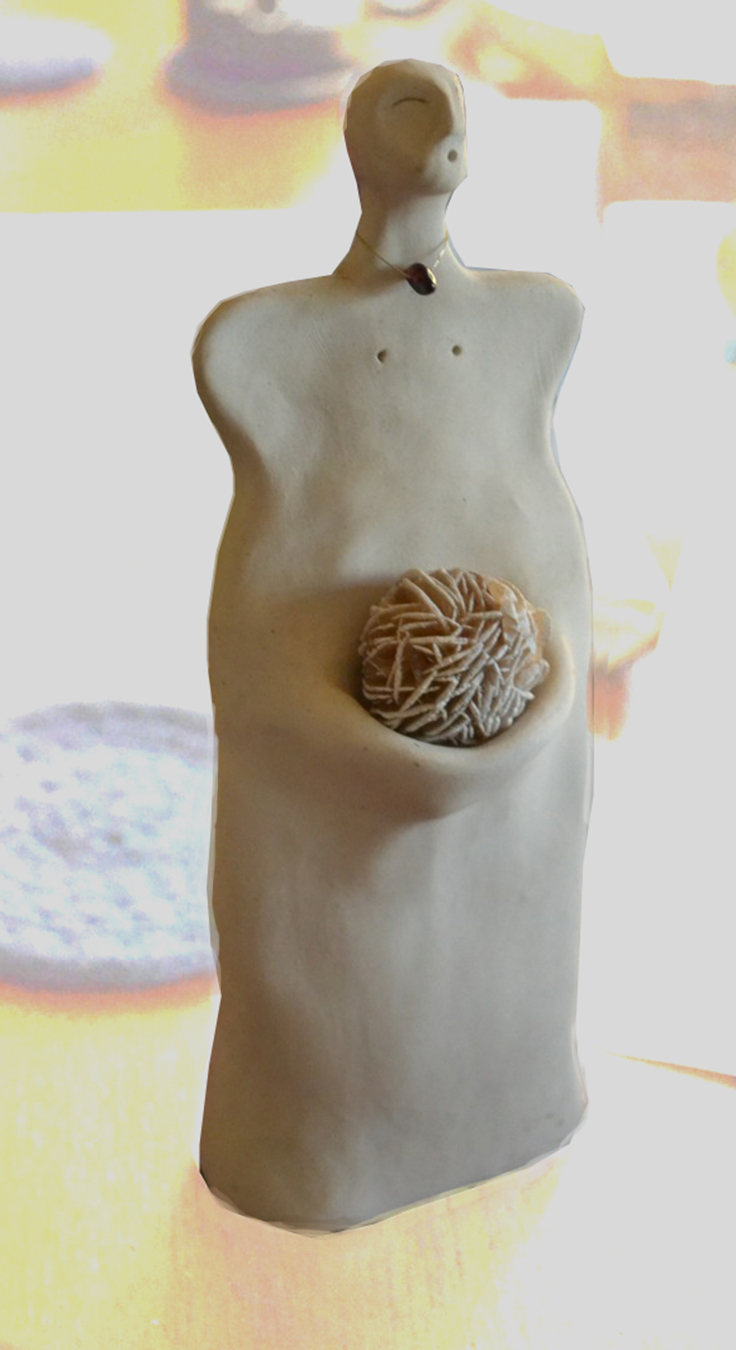
What makes each of these crucibles is the fact that each has real borders and edges that require being inside a kind of container with real drivers of change that bring heat to the situation.
The Crucible of Death and Dying
I didn’t have a choice over the one I call, in retrospect, “the cancer journey.” It began with a hysterectomy and hope, and became a real crucible when two years later the cancer metastasized to both lungs. Susan’s passing was the crux of that journey, but the following process of adapting and changing has been a process of dissolving the old and beginning to weave a new. The total envelope of this change process is probably in the 7-8 years range, with a tail of feelings that will last the rest of my life.
Moving as a Crucible
The Petaluma move has been another, more concentrated crucible. One edge is the decision to do it—no small process itself—and then the finding, buying, preparing, renovating, moving, and reconnecting. The other edge is the pressure to have a functional workspace quickly, so that work can continue. I'm past that mostly, but the total reintegration process takes much longer I'm finding. At the physical level alone, I find that my habits are all based on living in apartments and flats since leaving home 50 years ago. This is my first real house! The physical dance to this space alone is all new. Then the questions come. How to have people over? How to work? How to separate work from play? How to connect with a new community? My old self is definitely getting cooked in this one.
The Crucible of Marriage
Being in a new partnership is an even bigger change process, with the immediate crucible being the more specific process of getting married this year and clarifying the commitments that will become our foundation. Gisela is German and came to this country at age 20. She now has a Ph.D. in organization and human systems and is a psychologist and student of indigenous rites of passage. As long-time colleagues we’ve carried a lot of respect for each other. And as I entered into my rite of passage with Susan, Gisela’s expertise and collegial guidance in how that kind of process might be navigated was a godsend. To our surprise and eternal gratefulness we fell in love. We work together now. We live together now. If we listed all the patterns and processes needing adjustments just to handle the “dailies” it would fill pages. In a larger metaphorical sense the whole new relationship is a kind of crucible and the cooking is real.
Fortunately, I professionally live in the world of change and have lots of ways to understand things when I step back and reflect. I still have been staggered by how it actually feels to be in what Gisela calls “liminal space”—the place between the old, which has gone, and the new, which has not yet fully arrived. It feels like being cooked. (She writes it about this in her blog Liminal Pathways).
The heat lets the old begin to loosen and even burn away. The pressures force us and me into new thinking and new behavior. I believe the more fully I yield to it the more tasty the result will be. I had a choice, to fall apart and "die" or move through and use the energy of loss as transformative fuel. I chose the latter. In that spirit both Gisela and I are consciously “turning up the heat” by inviting in events that call us into new relationship with each other, ourselves, and our work.
Symposium on Liminality
Recently Gisela, myself, our colleague Alan Briskin, and new colleague Bethe Hagens, an expert on liminality from Walden College, held a symposium for Meridian Unversity called Crucibles of Change: Stewarding Liminality Processes in Organization Life. (This will be available for review at a link I will add when I get it.) Liminality is that stage in between the old and new when one is in the crucible. What emerged in our dialogue were some insights that relate. All of us began to understand, in the process of sharing some of our own life experiences with liminality, that each had a precipitating crisis, intention, and some kind of boundary or constraint that concentrated the experience. And each had a quality of surprise and unpredictability, as new responses emerged from being “cooked" by the unknowing and ambiguity.
“I think that it’s helpful to understand that liminality is really the human condition itself,” Alan concluded at the end of our dialogue. Researchers of living systems agree. They don’t express themselves with machine-like predictability, but experience emergence, and leaps, and improvisations all the time. It feels paradoxical, but I'm coming to trust the unknown and the new that seems to spring forth without fail if I have the courage to let go.
Leading as Sacred Practice Retreat
This coming summer Gisela, Alan and I are extending this inquiry, joining with our partner Holger Scholtz, founder of Kommunikationlotsen, a pioneering process oriented consulting firm in Germany, to offer a week-long retreat focused on Leading as Sacred Practice. It will be a flagship program for the GLEN, focused on inquiry and collective wisdom, not instruments and answers. As a minister’s kid (Presbyterian) I developed a caution about using spiritual language, but more and more I’m convinced, along with many others, that without an acceptance that the ineffable and the uncertain are equal partners with the material plane in human life, people can lose their way. We want to explore what it means to NOT split ourselves into functional parts, but operate as whole humans in whole organizations. It’s an old inquiry, but needs to be engaged anew, and we are stepping into that space.
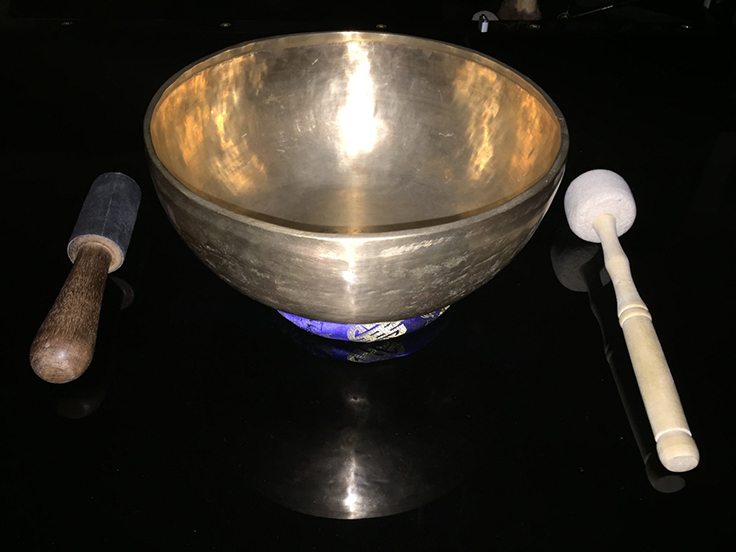
Just committing to doing this retreat created a crucible. It mixes uncertainty, hope and support from colleagues and heats it all with the flame of our intention to find a way back to wholeness in our consulting work. I'm actually excited by the process of being cooked yet again in a new way.
Richard Leider, a leading executive coach, expert on aging, and the leader of a walking Safari that I took in Africa several years ago, says that the people who he’s found live the longest are those who learn to reinvent themselves, and that those who reinvent themselves around a higher purpose live the very longest. I find hope in Leider's research, and I'm embracing the crucibles of change that come my way as chances to practice. I’m coming to love this business of transformation!